Email
overseas@ytsanchuan.com
-
- En
-
-

In 2026, water utilities worldwide are confronting a dual crisis that is simultaneously a technical and financial emergency. On one side, accelerating water scarcity is making every cubic meter of treated water a resource that cannot be wasted. On the other, Non-Revenue Water—treated water that is produced, pumped, and distributed but never billed—continues to drain utility revenues, inflate operating costs, and undermine the financial viability of water service providers. The World Bank identifies NRW as a major utility cash-flow and service-quality problem, with physical leakage, meter inaccuracy, illegal connections, and commercial losses collectively representing billions of cubic meters of lost water annually across global distribution networks.
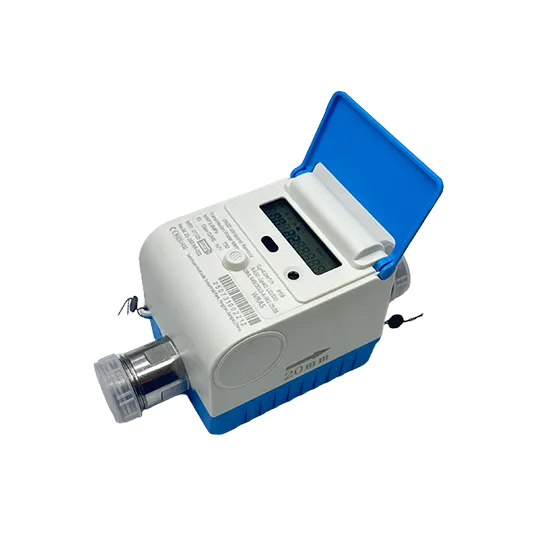
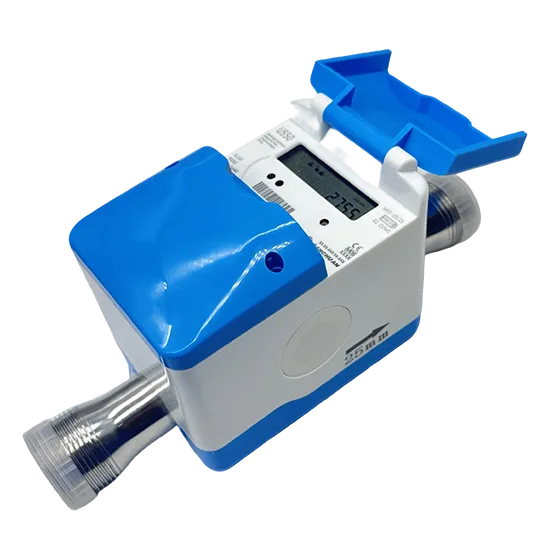
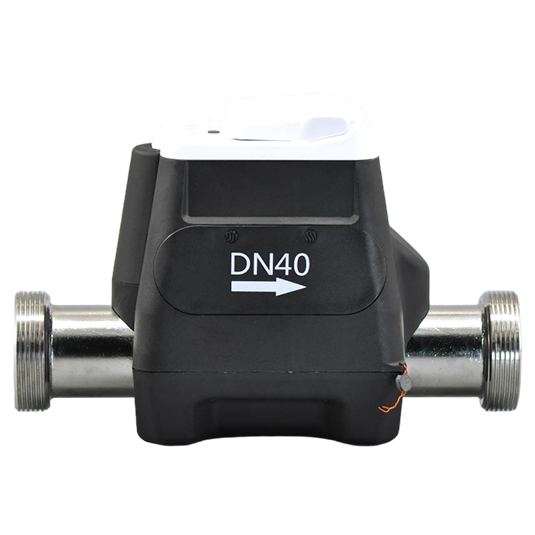
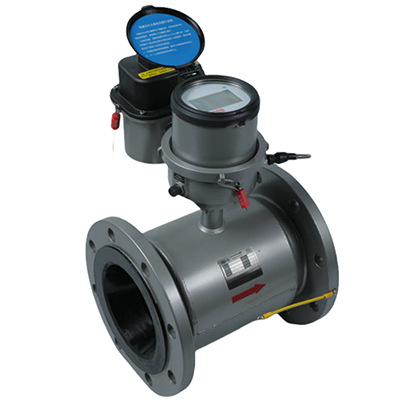
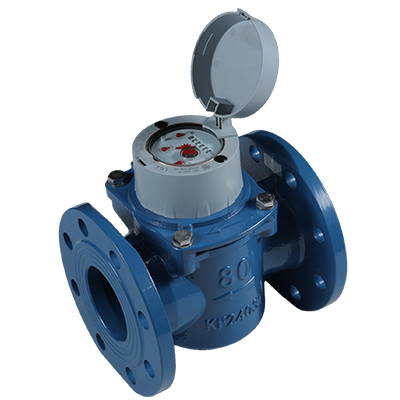
The foundation of any credible Non-Revenue Water reduction program is accurate, continuous, zone-level measurement. Without reliable data on how much water enters each section of the network, where it goes, and how much is billed, leak detection is guesswork and DMA management is impossible. A high-precision bulk water meter at every critical node—DMA inlet, transmission main, industrial supply branch, reservoir outlet—transforms a reactive maintenance operation into a data-driven municipal water loss control program. For utilities evaluating Woltman water meter manufacturers, Sanchuan offers DN40–DN300 bulk metering solutions combining Woltman helical impeller precision, wide dynamic range, low pressure loss, IP68 durability, and NB-IoT/RS485/pulse communication for AMR and AMI integration.
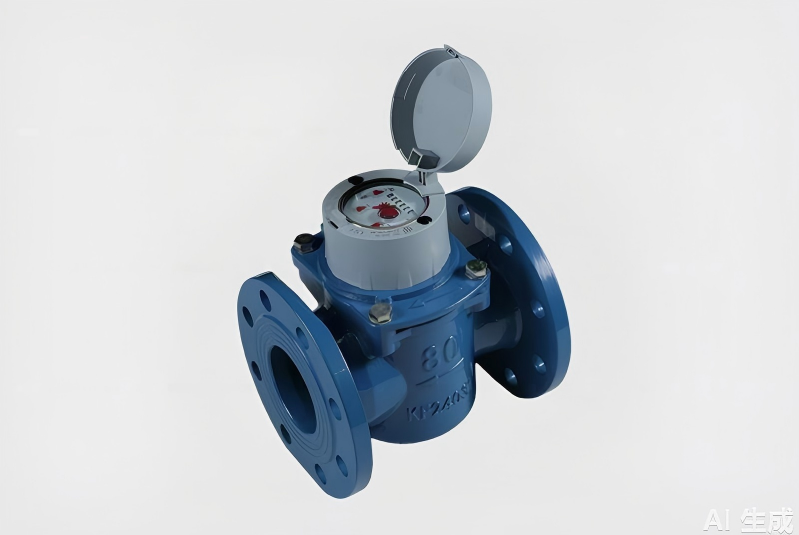
The logic of NRW reduction is straightforward: you cannot manage what you cannot measure. But the measurement challenge in a large distribution network is not simply installing meters—it is installing meters that are accurate enough to detect the small, continuous flows that characterize real leakage, while also handling the full range of demand from low-flow night conditions to peak daytime consumption.
The specific measurement requirements for NRW programs are:
Zone-level inflow visibility. A bulk meter at a DMA inlet measures the total volume entering a defined network zone. Comparing this inflow against the sum of billed consumption within the zone produces the water balance—the primary diagnostic tool for identifying whether a zone has a leakage problem and how severe it is.
Night flow detection. Legitimate consumption in a residential or commercial zone drops to near zero between approximately 2:00 and 4:00 AM. Any flow recorded during this window is predominantly leakage. A bulk meter that cannot accurately register flows of 0.2–0.5 m³/h in a DN100–DN150 main will miss the leakage signal entirely, leaving the utility blind to losses that may represent 20–40% of zone production.
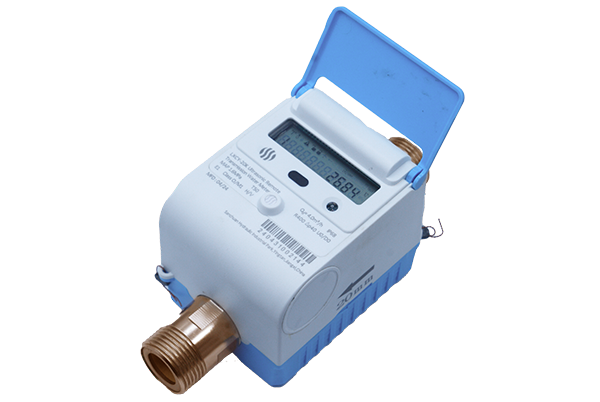
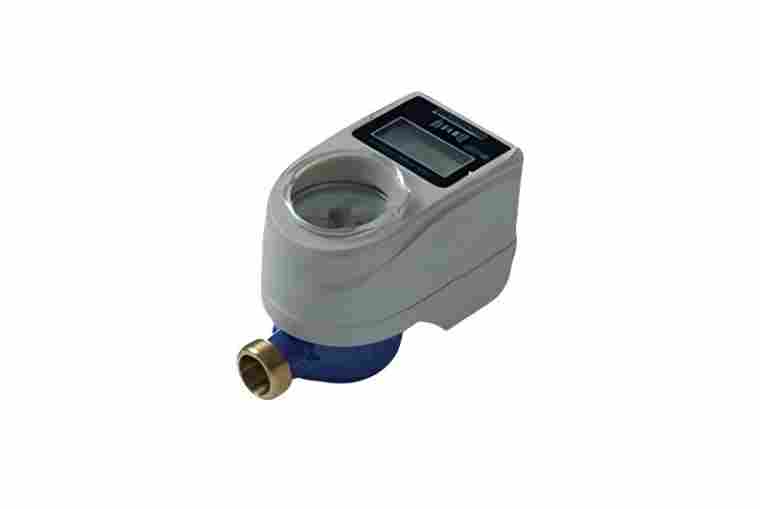
Continuous remote monitoring. Monthly manual readings produce a monthly average—they cannot identify when a leak started, how it is progressing, or whether a repair was effective. Remote-reading bulk meters with NB-IoT, RS485, or pulse output enable continuous monitoring, alarm-based leak alerts, and integration with AMR/AMI platforms that support real-time NRW analytics.
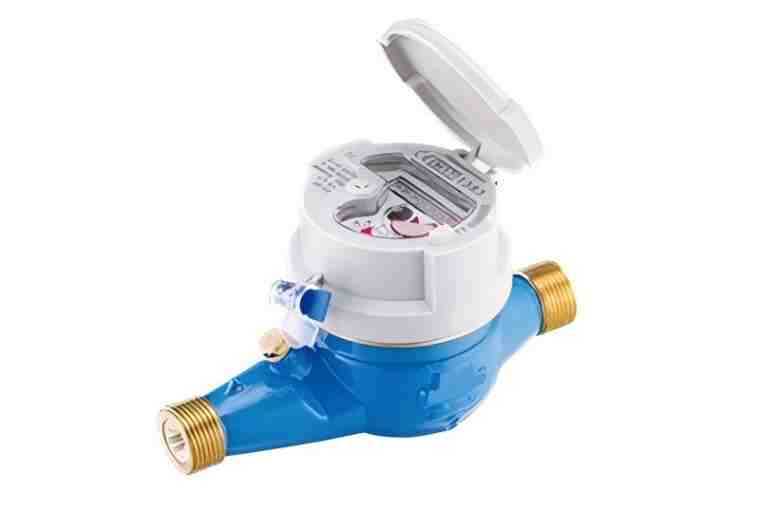
Sanchuan's bulk water meter range is designed for exactly this application profile: municipal and industrial bulk metering with DN40–DN300 coverage, wide-range accuracy, low pressure loss, and communication options including NB-IoT, pulse, and RS485 for remote reading and smart water integration.
Woltman meter precision derives from the fundamental geometry of the helical impeller design. Unlike tangential or single-jet meters, a Woltman meter places a large-diameter helical impeller axially in the flow path. Water passes through the full bore of the meter body, driving the impeller in proportion to flow velocity. The rotation is transferred via magnetic coupling to a sealed dry register or pulse/communication module, producing a totalized volume reading that is immune to water contact and suitable for remote transmission.
Why this design performs well across the full flow range:
At high flow—transmission mains, DMA inlets during peak demand, industrial supply branches—the large impeller diameter and full-bore flow path produce stable, low-turbulence measurement with minimal pressure loss. The mechanical simplicity of the helical impeller means there are no flow-conditioning elements that can foul or degrade, and the measurement principle is inherently stable across the flow range.
At low flow—night minimum flow, small continuous leaks, low-demand periods—the helical impeller's low starting flow threshold is the critical performance parameter. Sanchuan's H4200 Woltman bulk meter specifies a minimum flow (Q1) of 0.2 m³/h for DN40–DN65 and 0.5 m³/h for DN100, with an R200 dynamic range. This means the meter accurately registers flows from Q1 up to Q3 (nominal flow) across a 200:1 range—capturing the small continuous flows that indicate leakage while also handling full peak demand without saturation or accuracy degradation.
The R200 dynamic range in practical NRW terms: a DN100 bulk meter with Q1 = 0.5 m³/h and Q3 = 100 m³/h can accurately measure a 0.5 m³/h night flow that represents a continuous leak of approximately 140 liters per hour—a leak that would be invisible to a meter with a higher starting flow threshold or narrower dynamic range.
Remote output completes the measurement value chain. Pulse output connects to existing data loggers; RS485 supports direct SCADA integration; NB-IoT enables wireless transmission from remote or difficult-access chamber locations without cable infrastructure. Continuous data from these outputs allows utilities to build night flow profiles, set leak alert thresholds, and track the effectiveness of repair interventions in near real time.
Selecting a smart bulk water meter for NRW reduction requires matching the meter to the flow profile, installation environment, data integration architecture, and accuracy standard—not simply to the pipe diameter.
Flow Range Parameters (Critical for NRW)
| Parameter | Definition | NRW Relevance |
|---|---|---|
| Q1 (minimum flow) | Lowest accurately measured flow | Determines leakage detection threshold |
| Q2 (transitional flow) | Lower boundary of working range | Affects accuracy at low-demand periods |
| Q3 (permanent flow) | Nominal operating flow | Matches expected peak demand |
| Q4 (overload flow) | Maximum short-term flow | Protects against overload damage |
| R ratio (dynamic range) | Q3/Q1 | Higher R = better low-flow visibility |
Complete Specification Checklist
DN size: DN40–DN300; confirm against existing pipe diameter and flange standard
Accuracy class: ISO 4064 Class B or Class C; Class C provides tighter accuracy at low flow—important for NRW billing applications
Dynamic range: R200 minimum for NRW applications; higher R values improve leakage detection sensitivity
Pressure rating: MAP (maximum admissible pressure) matched to the network operating pressure
Pressure loss: confirm maximum pressure loss at Q3 to calculate pumping energy penalty
Installation orientation: horizontal or vertical; confirm with the specific meter model
Straight pipe requirement: upstream and downstream straight pipe lengths to ensure accurate flow conditioning
Body material: cast iron with epoxy coating for standard municipal service; stainless steel for aggressive water chemistry
Ingress protection: IP68 for flood-prone chambers or outdoor installations
Communication output: pulse (standard), RS485 (SCADA integration), NB-IoT (wireless AMI), M-Bus (European AMR systems)
Register type: dry dial (standard), remote display, or integrated communication module
Sanchuan's bulk meter product page highlights wide-range accuracy, low pressure loss, IP68 durability, and NB-IoT/pulse/RS485-ready integration—a specification profile that directly addresses the requirements of municipal NRW programs and smart water projects.
DMA Inlet Monitoring District metered areas are the operational unit of modern NRW management. Each DMA is a defined network zone with a controlled number of inlet points, each equipped with a bulk meter. The DMA water balance—inflow minus billed consumption—quantifies the zone's apparent and real losses. Bulk meters at DMA inlets must be accurate at both peak demand and night minimum flow to produce a reliable balance. Woltman meters with R200 dynamic range and remote output are the standard specification for this application.
Transmission Mains and Distribution Nodes High-flow stability makes Woltman bulk meters the preferred choice for trunk mains, reservoir outlets, and major distribution branches where flows are consistently high and pressure loss must be minimized. The low-pressure-loss design of Sanchuan's Woltman meters reduces the pumping energy penalty associated with large-diameter metering—a meaningful operational cost saving on high-flow mains that run continuously.
Industrial and Commercial Bulk Billing Large industrial users, commercial complexes, and wholesale supply customers require accurate metering across highly variable demand patterns—high flow during production shifts, near-zero flow during shutdowns. A wide-range bulk meter with accurate low-flow registration prevents under-registration during low-demand periods, which is a common source of commercial NRW in industrial supply zones.
Irrigation and Municipal Bulk Supply Agricultural irrigation and municipal bulk supply applications involve large-volume, seasonal water transfer. Bulk metering at supply points supports water allocation accountability, pumping optimization, and the documentation required for water rights compliance and regulatory reporting.
Smart Water Network Upgrades Utilities upgrading from manual reading to AMR or AMI systems need bulk meters with compatible communication outputs. NB-IoT-enabled bulk meters allow wireless data transmission from remote chamber locations without cable infrastructure, reducing the installation cost of smart metering rollouts and enabling continuous monitoring from day one of deployment.
Step 1 — Define the NRW measurement objective. DMA creation, trunk-main monitoring, industrial billing accuracy, or leakage analysis. The objective determines the required dynamic range, communication output, and accuracy class.
Step 2 — Collect flow profile data. Peak flow, average daily flow, night minimum flow, and seasonal variation. The night minimum flow is the most critical parameter for NRW applications—it determines the required Q1 specification.
Step 3 — Select meter type. Woltman helical impeller for stable large-flow mechanical measurement with proven reliability in municipal service. Ultrasonic bulk meter where ultra-low-flow sensitivity, no moving parts, or bidirectional measurement are prioritized. Sanchuan offers both options, allowing selection based on the specific application requirements.
Step 4 — Confirm installation conditions. DN size, flange standard (PN10/PN16/ANSI), straight pipe lengths upstream and downstream, chamber dimensions, flooding risk (IP68 requirement), and communication signal coverage for NB-IoT or RS485.
Step 5 — Plan upstream protection. Install a strainer upstream of the meter where water quality includes suspended solids or debris that could damage the impeller. Confirm strainer mesh size against the meter manufacturer's recommendation.
Step 6 — Integrate communications. Configure pulse output to existing data loggers, RS485 to SCADA, or NB-IoT to the AMI platform. Verify data transmission, alarm thresholds, and reporting intervals before commissioning.
Step 7 — Establish maintenance intervals. Inspect impeller condition, register function, and communication output at scheduled intervals. Recalibrate or replace based on utility policy and meter performance history.
Earlier leak detection from low-flow visibility at DMA inlets reduces the volume of water lost between leak occurrence and repair. A leak detected one month earlier through continuous night-flow monitoring versus monthly manual reading can represent hundreds of cubic meters of recovered water—directly improving the utility's revenue and NRW percentage.
Better DMA water balance accuracy from precise bulk metering reduces the uncertainty in NRW calculations, allowing utilities to prioritize repair investment in zones with confirmed high losses rather than spreading resources across the entire network.
Reduced manual reading labor from remote communication outputs eliminates the cost of monthly field visits to large-diameter meter chambers, which are often in difficult-access locations requiring confined space procedures.
Lower pumping energy penalty from low-pressure-loss meter design. On a high-flow transmission main operating continuously, even a small reduction in meter pressure loss translates into meaningful annual energy savings.
More accurate bulk billing from wide-range meters that register correctly at low flow prevents the commercial NRW that accumulates when meters under-register during low-demand periods for large industrial or commercial customers.
The World Bank emphasizes that NRW reduction can significantly improve utility cash flow and financial viability—making accurate bulk metering a direct business investment with measurable financial return, not simply a technical infrastructure upgrade.
In 2026, reducing Non-Revenue Water is both a water security imperative and a financial necessity for utilities worldwide. A high-precision bulk water meter with wide dynamic range, low starting flow sensitivity, and remote communication capability is the measurement foundation that makes DMA management, leakage detection, and accurate bulk billing possible. Sanchuan's Woltman bulk water meters combine helical impeller precision, R200 dynamic range, low pressure loss, IP68 durability, and NB-IoT/RS485/pulse communication for municipal and industrial metering projects from DN40 to DN300.
Visit the Sanchuan Bulk Water Meter product page to request a recommended meter configuration and quotation.
Please submit the following details for an accurate recommendation:
Work condition: Municipal main, DMA inlet, industrial billing, irrigation, pipe chamber or outdoor installation, flooding environment (Y/N)
Quantity: Pilot quantity, DMA rollout quantity, or annual procurement plan
Size/spec: DN size, flange standard, pressure rating, horizontal or vertical installation, required communication output (pulse/RS485/NB-IoT)
Target metrics: NRW reduction target, low-flow detection threshold, accuracy class, dynamic range requirement, pressure-loss limit
Current problems: High NRW percentage, inaccurate bulk billing, missing night-flow data, high manual reading cost, leakage not localized, poor meter performance at low flow
1. What is a bulk water meter?
A large-diameter meter used to measure high-volume water flow at municipal distribution nodes, DMA inlets, industrial supply points, and transmission mains. Sanchuan's Woltman bulk meters cover DN40–DN300 and are designed for large-volume water flow measurement in distribution systems, with wide dynamic range and remote communication options for NRW management applications.
2. Woltman bulk water meter vs. ultrasonic bulk water meter: which is better?
A Woltman meter is a robust, proven mechanical solution for stable high-flow applications with good low-flow sensitivity at an accessible price point—the standard choice for most municipal DMA and transmission main applications. An ultrasonic meter has no moving parts, can offer very high low-flow sensitivity, and supports bidirectional measurement, making it preferable where water quality, maintenance access, or ultra-low-flow detection are priorities. Sanchuan offers both options; the best choice depends on the flow profile, water quality, maintenance policy, and smart-metering integration requirements.
3. What is the ROI of a smart bulk water meter for NRW reduction?
ROI comes from earlier leakage detection (reducing the volume lost between leak occurrence and repair), better DMA water balance accuracy (improving repair investment prioritization), reduced manual reading labor, more accurate bulk billing (recovering commercial NRW), and lower pumping energy costs from low-pressure-loss design. The World Bank emphasizes that NRW reduction directly improves utility financial viability—making accurate bulk metering a revenue-generating investment.
4. Does installing a bulk water meter require pipeline modification?
Some installation planning is always required: flange matching, straight pipe runs upstream and downstream, upstream strainer installation, chamber space confirmation, pressure rating verification, and communication signal coverage check. Sanchuan recommends correct horizontal or vertical installation per the meter model specification, adequate straight pipe runs, secure flanges, and communication module connection where remote reading is required.
5. What parameters are needed for correct bulk meter selection and quotation?
DN size, minimum night flow and peak flow, pressure rating, pipe orientation (horizontal/vertical), flange standard, water quality (suspended solids content), installation chamber conditions (flooding risk, access), communication output requirement (pulse/RS485/NB-IoT), accuracy class and dynamic range target, quantity, and the current NRW or billing problem being addressed.