Email
overseas@ytsanchuan.com
-
- En
-
-

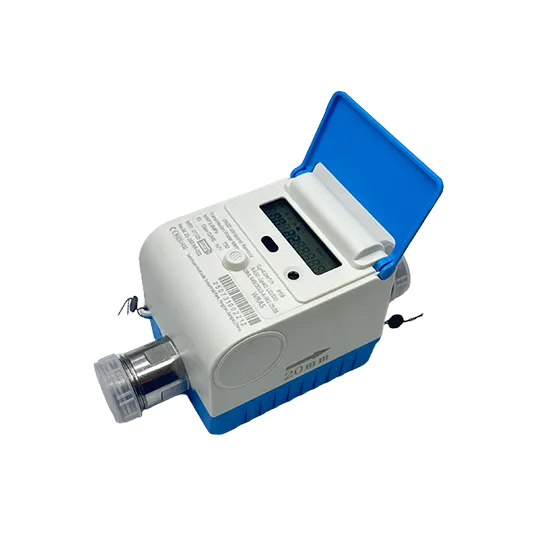
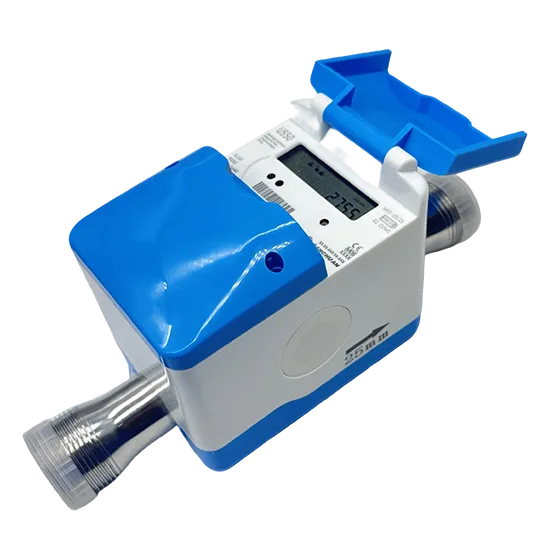
In a prepaid water system, the meter becomes part of the payment process as soon as a customer purchases water credit. It needs to know how much water has been consumed, keep track of the remaining balance, communicate the relevant status to the customer or utility, and control the water supply when required. At the same time, the equipment may remain in service for years with limited access for routine inspection.
That combination makes prepaid water metres different from meters used only for conventional consumption measurement. A utility may need to consider not only metering accuracy, but also how credit is added and deducted, how the valve responds to account status, how tampering is detected, and whether the meter can be managed remotely.
The practical value of a prepayment water meter therefore comes from how these functions work together. For a residential project, a clear display and simple recharge process may be just as important as measurement performance. For a larger utility deployment, communication, centralized management, security, and maintenance can have a greater influence on long-term operating efficiency. Understanding these differences helps buyers focus on the specifications that actually matter for their application.
The first feature to examine is how the meter handles water credit. Unlike a conventional water meter that primarily records cumulative consumption, a prepaid system links water usage with an available customer balance. As water passes through the meter, the system records consumption and deducts the corresponding amount from the available credit according to the configured tariff or payment rules.
The recharge process should be equally straightforward. Depending on the system architecture, customers may add credit through tokens, cards, codes, electronic payment platforms, or other approved methods. The important point is that the recharge method should be compatible with the utility's existing payment and account-management process.
Buyers should also consider what happens when a recharge attempt fails, when the balance becomes low, or when a meter needs to be replaced. A well-designed system should provide a clear way to confirm successful credit addition and identify abnormal transactions rather than leaving customers or field staff uncertain about the account status.
For large deployments, compatibility between the meter and the utility's broader prepaid management system is particularly important. A technically capable meter may still create operational difficulties if its credit-management process does not fit the way the utility collects payments or manages customer accounts.
Credit management cannot work properly without dependable flow measurement. The meter must accurately record water consumption so that the amount deducted from the customer's balance corresponds to actual usage. Buyers should therefore review the meter's measurement technology, applicable flow range, installation conditions, and relevant performance requirements rather than evaluating prepaid functions in isolation.
Valve control is another defining feature of many prepaid water systems. An integrated valve can allow the meter to control water supply according to the customer's credit status or other configured conditions. Depending on the system, the valve may issue a low-credit warning before supply is restricted or shut off.
However, valve operation should be considered carefully during product selection. The control logic needs to match the utility's operating policy, while the valve itself needs to be appropriate for the water conditions and expected operating environment. Repeated valve operation can also influence maintenance requirements and power consumption.
| Feature | What to Check | Why It Matters |
|---|---|---|
| Flow measurement | Measurement technology, flow range, and applicable requirements | Determines how reliably consumption is recorded |
| Credit management | Recharge, deduction, low-credit handling, and transaction confirmation | Connects water usage with the payment process |
| Valve control | Automatic control logic and operating reliability | Allows water supply to respond to account conditions |
| Display | Credit, consumption, warnings, and meter status | Helps customers and technicians understand meter conditions |
| Communication | Supported network and data-management architecture | Enables remote monitoring and operational management |
| Tamper detection | Interference detection, event recording, and alerts | Helps protect the integrity of the metering system |
Communication becomes increasingly important when a utility wants to manage prepaid water metres without relying entirely on field visits. Depending on the project, meters may communicate through cellular networks, NB-IoT, LoRaWAN, RF communication, wired connections, or another supported architecture.
There is no single communication technology that is suitable for every installation. Network availability, building density, installation location, data requirements, infrastructure cost, and local conditions all need to be considered. A basement installation, for example, may present different communication challenges from a meter installed in an accessible outdoor cabinet.
Remote communication can provide utilities with access to information such as consumption, remaining credit, alarms, valve status, and other operational events. This can reduce unnecessary site visits and make it easier to identify meters that require attention.
When evaluating the water meter product range from Sanchuan Water Meter, buyers should consider not only the meter itself but also how its communication functions would fit into the intended management platform. The objective is to build a system in which field devices and utility software can work together reliably.
Because prepaid water meters are connected to both water supply and customer payments, security deserves particular attention. Unauthorized interference with the meter could affect consumption records, account credit, valve operation, or communication with the management system.
Tamper detection can help identify events such as unauthorized opening, interference with the meter, abnormal operating conditions, or other attempts to compromise normal operation. Depending on the system design, these events may be stored locally, displayed to the customer, or transmitted to a remote management platform.
Data security is also relevant when meters communicate electronically. Buyers should understand how the system protects communication, authenticates authorized users, and handles access to customer and meter information. The exact security architecture will depend on the communication technology and management platform, but security should be considered during product selection rather than added later.
Physical protection matters as well. The meter installation should make unauthorized access difficult while still allowing authorized technicians to carry out inspection and maintenance. A practical balance between security and serviceability can reduce problems over the equipment's operating life.
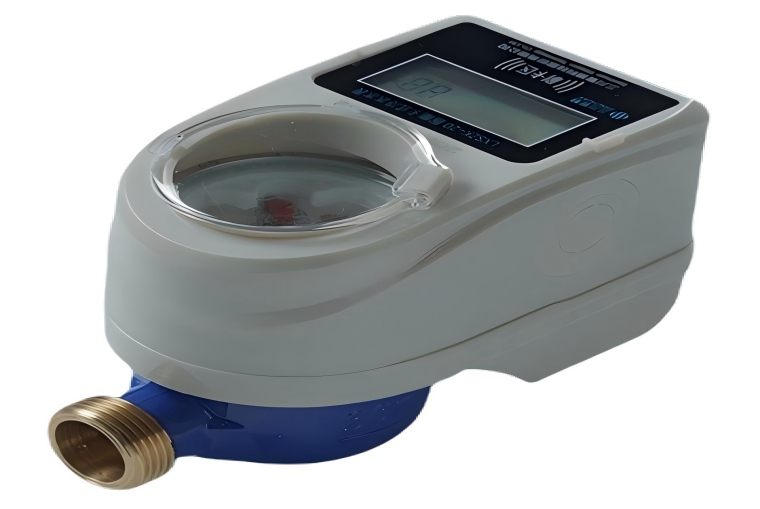
Power management can have a direct effect on the practicality of prepaid water metres, particularly when meters are installed in locations where regular access is inconvenient. Battery performance depends on factors such as the meter's electronic design, communication frequency, valve activity, environmental conditions, and overall power-management strategy. For this reason, buyers should evaluate the manufacturer's specified operating conditions rather than relying on a generic battery-life figure.
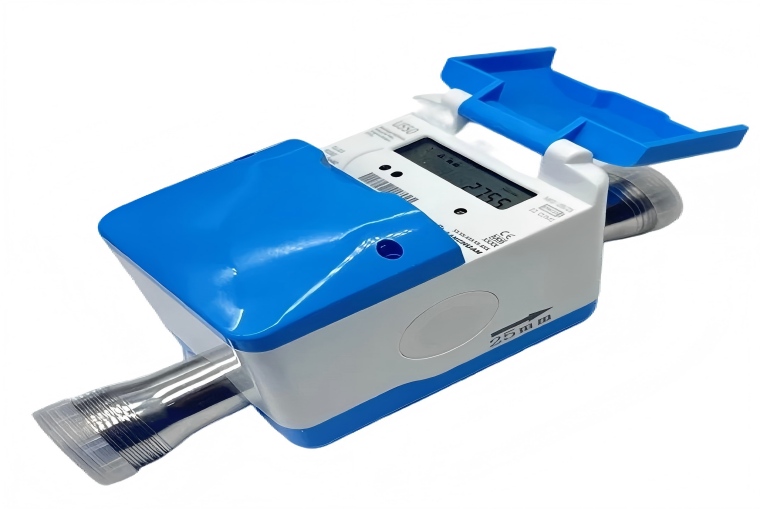
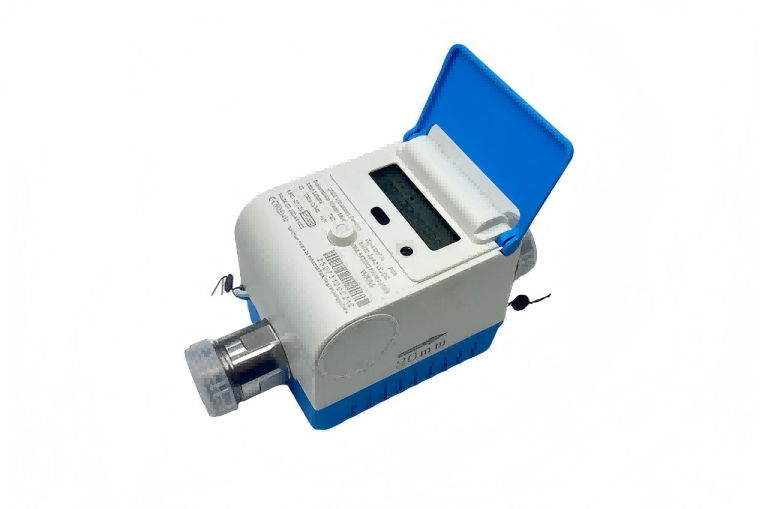
The display also deserves more attention than it may initially receive. Customers should be able to understand essential information such as remaining credit, consumption, warnings, and meter status without unnecessary complexity. A clear interface can reduce customer enquiries and make it easier for field personnel to diagnose basic issues.
Maintenance requirements should be considered at the same time. Buyers can ask how easily the meter can be inspected, whether the battery is serviceable where applicable, how valve problems are diagnosed, and how communication faults can be identified. For large deployments, even small differences in maintenance requirements can become significant when multiplied across a large installed base.
A prepaid water meter should therefore be evaluated as a long-term operating device rather than simply as a product purchased for installation. Measurement performance, power management, user interface, communication, and serviceability all contribute to its practical value.
The most important specifications depend on where the meters will be installed and how the water service will be managed. Residential projects often place greater emphasis on straightforward customer operation, reliable credit management, compact installation, and clear display information. If remote reading is part of the project, communication compatibility becomes an additional consideration.
Commercial and institutional applications may require a different balance. Property managers may need better visibility into consumption, account status, and abnormal events across multiple connections. Remote monitoring can become more valuable when meters are distributed across apartment buildings, commercial properties, campuses, or other locations where frequent manual visits would be inefficient.
Water utilities managing larger deployments may need to look beyond individual meter specifications. The compatibility of the meter with the utility's billing, payment, communication, and data-management infrastructure can have a major influence on project success. Standardization across the installed fleet may also simplify procurement, training, spare-parts management, and future maintenance.
Water quality and installation conditions should not be overlooked either. The selected meter needs to be appropriate for the characteristics of the water and the physical environment in which it will operate. Applicable local regulations, metering standards, communication requirements, and project-specific certification requirements should also be confirmed before procurement.
For projects with specific technical or deployment requirements, buyers can contact Sanchuan Water Meter for application-specific guidance and discuss the required metering, communication, and prepaid functions before making a final selection.
Choosing prepaid water metres is not simply a matter of selecting a meter that can record water consumption and deduct credit. The more important question is whether the complete system can support the way customers pay for water and the way utilities manage the service.
Credit management, flow measurement, valve control, communication, tamper detection, battery performance, display design, and maintenance all deserve attention during procurement. The right combination will depend on the application, installation environment, customer management model, and level of remote monitoring required.
By evaluating these features together rather than focusing on a single specification, utilities and water-system operators can make a more informed choice and build a prepaid metering system that is practical for both customers and service providers.
A prepaid water meter records water consumption while also managing a customer's available water credit. Consumption is deducted from the balance according to the configured payment and tariff system.
Many prepaid systems use an integrated valve that can respond to account conditions, such as low or exhausted credit, according to the utility's configured operating rules.
Yes. Depending on the meter and system architecture, communication technologies such as cellular, NB-IoT, LoRaWAN, RF, or wired communication can support remote monitoring and management.
Depending on the model, the display may provide information such as remaining credit, accumulated consumption, warnings, valve status, and other operating information.
Tamper detection can help identify unauthorized interference that may affect consumption records, credit management, valve operation, or the reliability of meter data.
Utilities should evaluate measurement performance, credit management, valve control, communication, security, power supply, display design, maintenance requirements, installation conditions, and compatibility with their wider management system.