Email
overseas@ytsanchuan.com
-
- En
-
-

With the growing demand for accurate water measurement and intelligent resource management, digital metering technology has become increasingly important in modern water systems. Compared with traditional mechanical meters, advanced electronic solutions provide improved accuracy, easier data collection, and better monitoring capabilities.
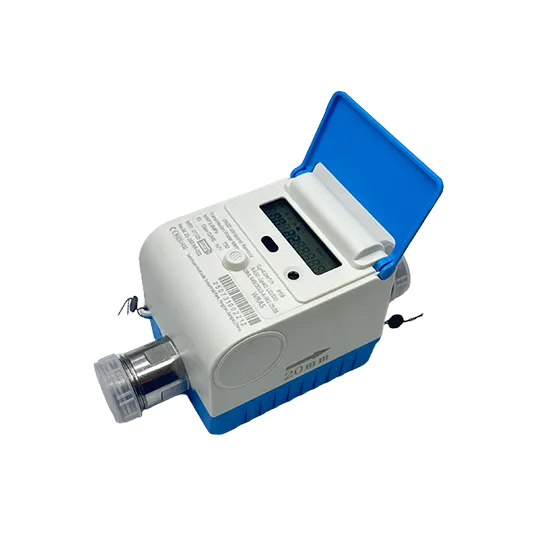
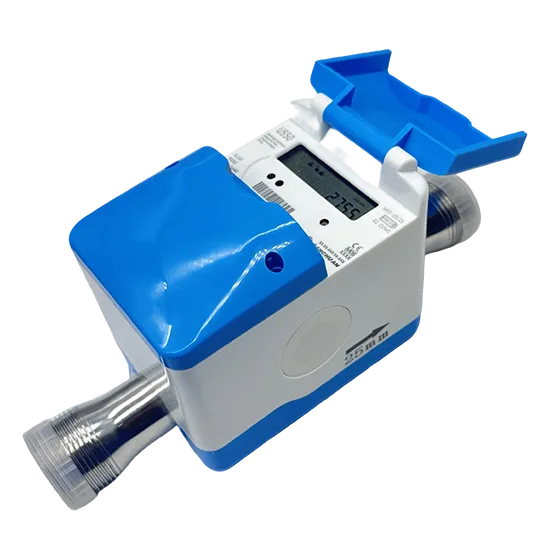
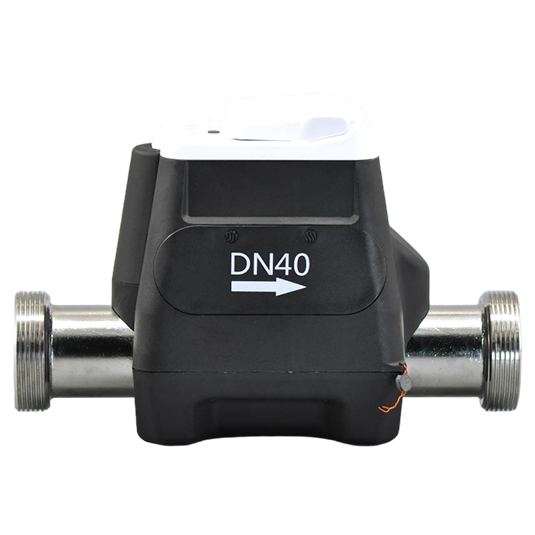
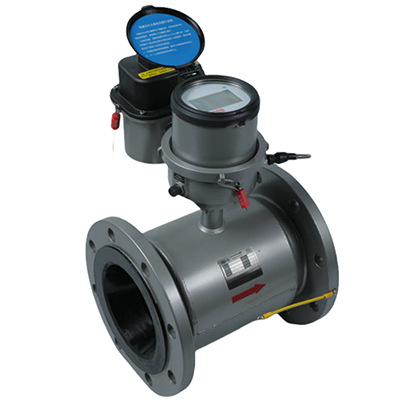
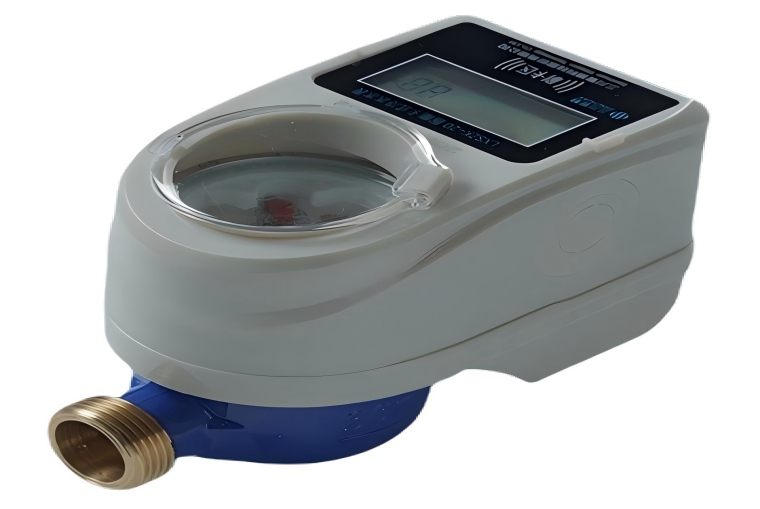
An ultrasonic smart water meter uses ultrasonic signal technology to measure water flow without relying on mechanical moving components. This design helps improve measurement stability, reduce maintenance requirements, and support advanced functions such as remote meter reading, water consumption analysis, and abnormal flow detection.
However, selecting the right meter is not simply about choosing the latest technology. Different applications have different requirements for flow range, installation conditions, communication methods, and data management functions. Residential buildings may prioritize low-flow accuracy, while industrial facilities and municipal networks often require wider measurement ranges and stronger system integration capabilities.
Understanding these differences helps users choose a suitable solution. As a professional ultrasonic water meter manufacturer, Sanchuan provides smart metering products designed for various water management scenarios.
An ultrasonic smart water meter can be used in a wide range of water systems, including residential buildings, commercial facilities, industrial applications, and municipal networks. The selection of the right product depends on operating conditions, water usage patterns, and management objectives.
In apartment buildings, residential communities, and smart homes, accurate individual water measurement is essential for transparent billing and efficient water management. Modern ultrasonic meters provide reliable measurement performance even when water flow changes significantly throughout the day.
Compared with mechanical meters, ultrasonic technology is especially suitable for residential applications because it can detect lower flow rates with improved sensitivity. This helps identify unusual water consumption caused by leaking fixtures or hidden pipeline problems.
Remote reading capability also reduces the need for manual inspections. Property managers can collect consumption data more efficiently, while residents benefit from clearer water usage information.
Office buildings, shopping centers, schools, and hospitals usually require centralized monitoring of multiple water usage points. In these environments, digital water metering helps facility managers understand consumption trends and improve operational efficiency.
A modern smart metering system can collect real-time information, support remote monitoring, and provide valuable data for reducing unnecessary water consumption. Communication capability is particularly important because commercial facilities often integrate water meters with broader building management systems.
Industrial applications usually involve more demanding operating conditions, including continuous operation, higher flow rates, and complex water environments. Reliable flow measurement is essential for production processes, resource management, and operational control.
Ultrasonic measurement technology eliminates mechanical moving parts, which helps reduce wear-related failures and maintenance frequency. This makes ultrasonic meters suitable for manufacturing plants, processing facilities, and other industrial water systems.
Municipal water networks require accurate measurement across large distribution systems. Smart water meters are widely used for district monitoring, leakage control, and remote data collection.
For these applications, important considerations include measurement range, communication reliability, battery life, and compatibility with centralized management platforms. Sanchuan provides professional smart water management solutions for different water network requirements.
Users can explore available ultrasonic water meter products and related smart metering solutions to find options suitable for different applications.
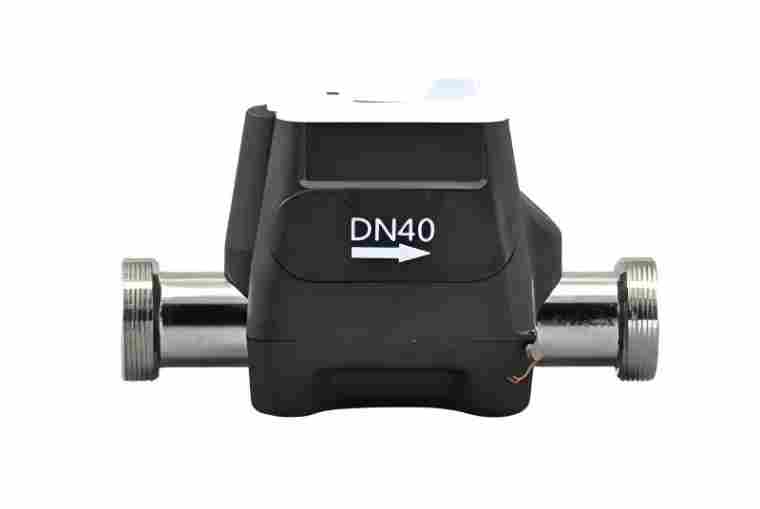
Choosing a suitable water meter requires evaluating technical specifications and real application requirements. The right solution should provide accurate measurement, stable operation, and effective data management.
Measurement accuracy is one of the most important considerations. Ultrasonic flow measurement technology calculates water flow by analyzing ultrasonic signal transmission, allowing the meter to maintain reliable performance over long operating periods.
Flow range is another important factor. A meter should match the expected minimum, normal, and maximum flow conditions of the system. For example, residential applications usually require excellent performance at low flow rates, while industrial systems often need wider measurement capabilities.
Installation conditions should also be considered before selecting a meter. Pipe size, water quality, temperature conditions, and installation location can influence measurement performance.
Smart functions are increasingly valuable in modern water management. Features such as automated meter reading, remote monitoring, leakage alerts, and consumption analysis allow users to manage water resources more effectively.
When evaluating suppliers, choosing an experienced ultrasonic water meter manufacturer can help ensure reliable product performance and technical support.
Flow characteristics play a critical role in selecting the appropriate meter. A correctly sized ultrasonic water meter can achieve better accuracy, longer service life, and more efficient operation.
The selection process should consider actual water demand rather than relying only on pipeline diameter. Oversized meters may reduce sensitivity at low flow conditions, while undersized meters may not handle peak demand effectively.
| Application Type | Main Requirements | Recommended Features |
|---|---|---|
| Residential buildings | Accurate household consumption measurement | Low-flow sensitivity, remote reading |
| Commercial facilities | Centralized monitoring | Smart communication, data management |
| Industrial systems | Continuous and stable measurement | Wide flow range, strong reliability |
| Municipal networks | Large-scale monitoring | Remote transmission, system integration |
For residential systems, measurement accuracy at low flow is often the priority. For industrial and municipal applications, long-term stability and communication capability are usually more important.
Working with a professional supplier helps ensure that the selected model matches the actual operating environment.
Modern water management increasingly depends on digital communication and automated data collection. An ultrasonic smart water meter provides more than basic flow measurement by supporting intelligent monitoring and remote management.
Wireless communication allows measurement data to be transmitted automatically, reducing the need for manual meter reading. This is particularly useful in large residential communities, commercial properties, and municipal projects.
Remote meter reading improves efficiency by allowing operators to collect consumption information without physical inspections. It also helps improve billing accuracy and reduces operational costs.
Data monitoring functions allow users to analyze consumption patterns, identify abnormal water usage, and improve conservation strategies. In addition, intelligent alarms can notify users about potential leakage, reverse flow, or abnormal operating conditions.
These smart features make ultrasonic water meters an important component of modern intelligent water management systems. By combining accurate measurement with digital communication, users can achieve better visibility and control over water consumption.
Proper installation is essential for achieving accurate and stable measurement results. Even advanced metering technology requires suitable installation conditions to perform effectively.
Before installation, users should evaluate pipeline conditions, connection methods, and operating environments. Correct installation helps maintain measurement accuracy and reduces potential operational issues.
In residential applications, compact design and easy integration are important. The meter should fit existing plumbing systems while supporting convenient data communication.
Commercial buildings often require multiple meters connected to a centralized monitoring system. Therefore, communication compatibility and installation planning are important considerations.
Industrial environments may require additional attention because vibration, temperature changes, and continuous operation can affect equipment performance. Selecting suitable installation locations helps ensure reliable operation.
For municipal projects, large-scale deployment requires careful planning of communication networks and maintenance access.
Sanchuan, as an experienced ultrasonic water meter manufacturer, provides smart metering solutions suitable for different installation environments. For specific project requirements, technical questions, or product consultation, users can contact Sanchuan’s water meter specialists for professional assistance.
Selecting the right ultrasonic water meter requires careful consideration of application conditions, flow requirements, communication features, and installation environments.
An ultrasonic smart water meter provides advantages such as accurate measurement, reduced maintenance needs, and intelligent monitoring capabilities. Whether used in residential buildings, commercial facilities, industrial systems, or municipal networks, the right product selection can significantly improve water management efficiency.
Choosing a reliable supplier with technical experience is equally important. A professional ultrasonic water meter manufacturer can provide suitable solutions that meet different application requirements and support long-term system performance.
With advanced smart metering technology and extensive industry experience, Sanchuan continues to support efficient water management through reliable ultrasonic measurement solutions.
An ultrasonic smart water meter is a digital device that uses ultrasonic signals to measure water flow and supports functions such as remote reading and data monitoring.
It measures the difference in ultrasonic signal transmission through flowing water to calculate flow rate without mechanical moving parts.
They provide accurate measurement, low maintenance requirements, improved durability, and intelligent monitoring capabilities.
They are widely used in residential buildings, commercial facilities, industrial systems, and municipal water networks.
Selection should be based on actual flow requirements, operating conditions, measurement accuracy needs, and installation environment.
Important factors include product reliability, technical experience, application knowledge, communication functions, and after-sales support.