
Email
overseas@ytsanchuan.com
-
- En
-
-

A piston water meter measures water flow by using a positive displacement mechanism that captures a fixed volume of water during each operating cycle. Inside the meter, a precisely designed measuring chamber and piston work together to convert water movement into accurate consumption readings.
The key to its operation is the piston displacement process. When water enters the chamber, the pressure difference causes the piston to move, allowing a specific amount of water to pass through the meter. These repeated movements are counted by the internal mechanism and converted into the total volume of water used.
This measurement method allows piston-based meters to provide reliable accuracy even under low or changing flow conditions. As a result, they are widely used in residential water systems, apartment sub-metering, and small commercial applications where accurate consumption monitoring is required.
A rotary piston water meter is a variation of this technology that uses a rotating piston to create continuous displacement measurement. Compared with other mechanical metering methods, it offers smooth operation, compact construction, and dependable measurement performance.
By understanding the working principle of piston measurement technology, users can better evaluate whether this type of water meter is suitable for their water management needs. Sanchuan provides reliable water measurement solutions for residential and commercial applications, helping customers achieve accurate and efficient water consumption monitoring.
Customers can explore available water meter solutions through the Sanchuan water meter product portfolio.
A piston water meter is a positive displacement water meter that measures water consumption by using the movement of a piston inside a precision measuring chamber. Instead of estimating water usage based on flow speed, this type of meter directly measures the volume of water passing through the device.
The working principle is based on repeated displacement cycles. When water enters the measuring chamber, it creates pressure that moves the piston. As the piston completes each cycle, it displaces a fixed amount of water. The number of completed cycles is recorded and converted into the total water consumption displayed on the register.
Unlike velocity-based meters, piston-type meters measure actual water volume rather than calculating flow based on water movement speed. This allows them to maintain reliable measurement performance even when flow rates are relatively low or change frequently.
Because of this measurement method, piston-based meters are commonly used in residential water supply systems, apartment sub-metering, and small commercial buildings. Their compact structure and accurate measurement capability make them suitable for applications where installation space and measurement reliability are important factors.
A rotary piston water meter is a specific type of piston-based design that uses a rotating piston mechanism inside a cylindrical measuring chamber. The rotating movement creates continuous displacement cycles, allowing smooth operation and stable measurement results.
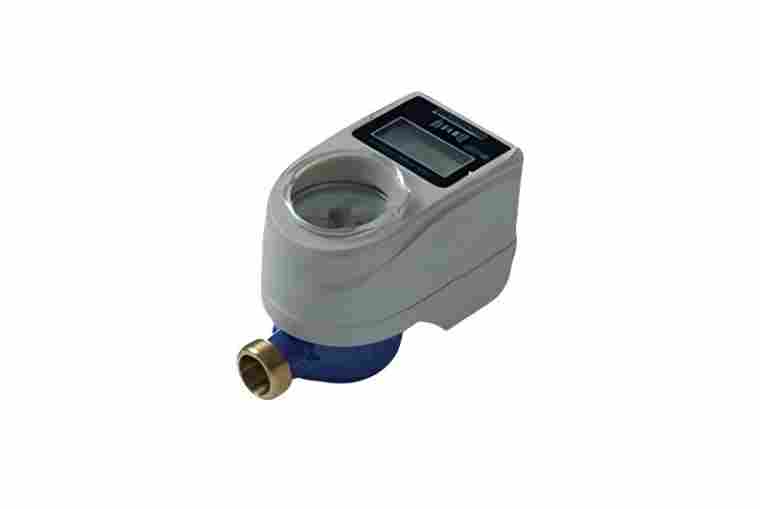
The performance of a piston water meter depends on several internal components working together to measure water volume and convert mechanical movement into readable consumption data.
| Component | Function |
|---|---|
| Measuring chamber | Provides a controlled space for measuring fixed water volumes |
| Piston mechanism | Converts water pressure into displacement movement |
| Inlet and outlet channels | Direct water flow through the measurement chamber |
| Transmission system | Transfers internal movement to the register |
| Register unit | Displays accumulated water consumption |
| Protective housing | Protects internal components from external conditions |
The measuring chamber is the core part of the meter because it determines the amount of water measured during each piston cycle. The precision of this chamber directly affects the accuracy and consistency of the measurement process.
The piston mechanism controls the displacement operation. When water enters the chamber, the piston moves according to the pressure difference and creates repeated measurement cycles. In a rotary piston water meter, the piston rotates continuously inside the chamber to achieve smooth displacement.
The transmission system connects the internal movement with the register unit. Many mechanical designs use magnetic transmission to transfer movement while reducing direct contact between internal and external components.
The register records the number of completed piston cycles and converts them into readable water consumption values. Together, these components allow piston-based meters to deliver stable and repeatable measurement performance.
A piston water meter measures water flow through a positive displacement process. Instead of measuring the speed of water moving through a pipeline, it measures the actual volume of water captured and transferred through the internal measuring chamber.
When water enters the meter, it fills the chamber and creates pressure against the piston. This pressure causes the piston to move, allowing a fixed quantity of water to enter and leave the chamber during each operating cycle.
Each completed piston movement represents a specific volume of water. The meter counts these repeated cycles and converts them into a total consumption reading. Because the measurement is based on actual displacement, the meter can provide stable readings under different water usage conditions.
This working principle makes piston meters suitable for applications where accurate measurement at low flow rates is important. Residential buildings, apartment units, and small commercial facilities often require reliable consumption data because water usage can change significantly throughout the day.
A rotary piston water meter follows the same displacement principle but uses a rotating piston structure. The continuous rotation helps reduce mechanical fluctuation and supports consistent measurement performance over long operating periods.
The working process of a piston water meter involves several mechanical steps that transform water pressure into measurable consumption data.
When water flows into the meter, it enters the measuring chamber through the inlet channel. The pressure created by the incoming water pushes the piston and causes it to move inside the chamber.
During each movement cycle, the piston separates different sections of the chamber. One area receives incoming water while another releases a measured amount of water through the outlet. Since the chamber volume is precisely controlled, every cycle represents a consistent quantity of water.
The repeated piston movement drives the internal transmission mechanism. This mechanism transfers the movement to the register system, which records the number of cycles and displays the total water consumption.
For systems using a rotary piston water meter, the operating process relies on continuous piston rotation. The rotating movement provides smoother operation and helps maintain stable measurement accuracy during long-term use.
The positive displacement principle provides several benefits, including direct volume measurement, reliable low-flow performance, and consistent operation in residential and commercial water systems.
The piston mechanism is the key part that converts physical water movement into readable consumption data. In a piston water meter, this process starts when water pressure causes the piston to move inside the measuring chamber.
The measuring chamber is designed with precise dimensions so that each piston cycle represents a known amount of water. As the piston completes repeated movements, the internal mechanism counts these cycles and transfers the information to the register system.
The transmission process usually uses mechanical gears or magnetic coupling components. These parts connect the piston movement with the display unit while maintaining reliable operation and protecting the internal measuring structure.
The register then converts mechanical movement into numerical readings that show the total amount of water consumed. This allows homeowners, property managers, and facility operators to monitor actual water usage without requiring complex electronic measurement systems.
In a rotary piston water meter, the rotating piston continuously drives the measurement process. The smooth rotational movement helps maintain consistent operation and reduces variations caused by changing flow conditions.
The accuracy of converting water volume into readings depends on factors such as measuring chamber precision, internal component quality, installation conditions, and proper maintenance. With suitable operation and maintenance, piston meters can provide reliable measurement performance for extended service periods.
Sanchuan provides water measurement solutions designed for different residential and commercial applications. Customers can contact Sanchuan through the official contact page to learn more about suitable water meter options.
| Water Meter Type | Measurement Principle | Main Characteristics | Common Applications |
|---|---|---|---|
| Piston-type meter | Measures fixed water volumes through piston displacement | Accurate measurement and strong low-flow capability | Residential systems and small commercial applications |
| Rotary piston water meter | Uses rotating piston displacement technology | Smooth operation and stable performance | Apartment sub-metering and domestic water systems |
| Multi jet water meter | Measures flow through impeller rotation | Reliable performance and wide application range | Residential and commercial buildings |
| Ultrasonic water meter | Uses ultrasonic signals to measure flow conditions | No moving parts and advanced monitoring features | Large commercial and industrial systems |
A piston water meter measures water consumption through a positive displacement principle, using controlled piston movement to measure fixed volumes of water. This direct measurement method allows accurate performance, especially in applications where stable readings and reliable low-flow measurement are required.
Compared with other water measurement technologies, piston-based meters offer advantages such as compact design, dependable operation, and accurate volume recording. A rotary piston water meter further develops this technology by using a rotating mechanism that provides smooth and continuous displacement measurement.
Understanding the working principle of piston meters helps users select suitable water measurement solutions for residential, apartment, and commercial applications. Through reliable products and professional water measurement experience, Sanchuan supports customers in improving water management efficiency and achieving more accurate consumption monitoring.
A piston water meter measures water volume through piston movement inside a precision measuring chamber. Each displacement cycle represents a fixed amount of water.
A rotary piston water meter is a positive displacement meter that uses a rotating piston mechanism to measure water consumption accurately.
Piston-based meters directly measure water volume through displacement instead of estimating flow speed, which helps maintain reliable measurement accuracy.
They are commonly used in residential water systems, apartment sub-metering, and small commercial facilities that require accurate consumption monitoring.
The main components include the measuring chamber, piston mechanism, inlet and outlet channels, transmission system, and register unit.
The piston displaces a fixed volume of water during each cycle. The internal transmission system counts these movements and converts them into readable water consumption data.