Email
overseas@ytsanchuan.com
-
- En
-
-

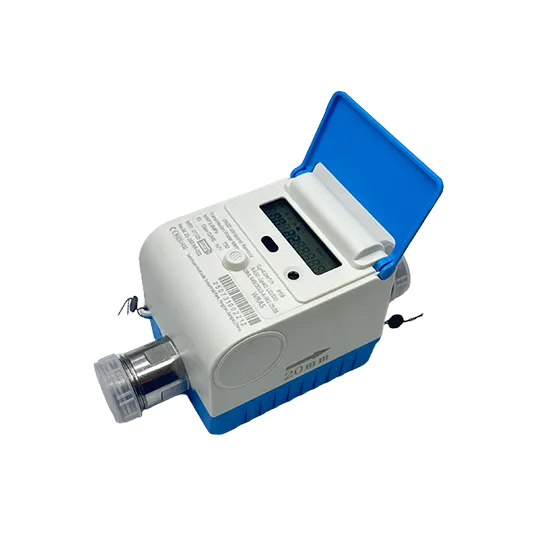
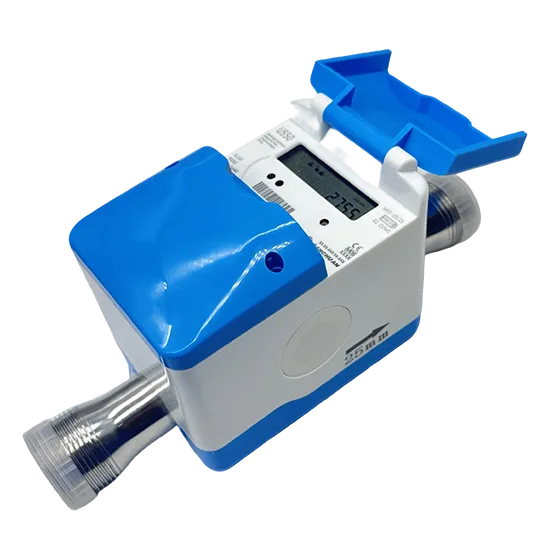
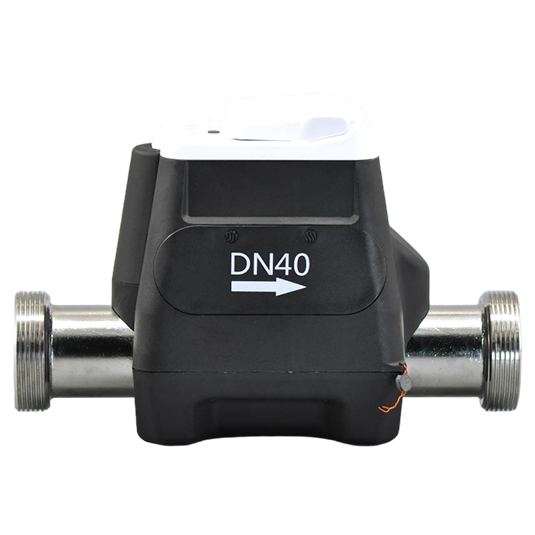
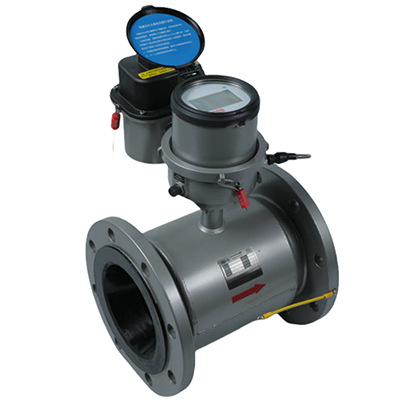
Modern water networks are facing increasing demands for accurate measurement, efficient resource management, and digital monitoring. While mechanical water meters have been widely used for decades, many utilities and engineering projects are now adopting advanced solutions such as the ultrasonic smart water meter to improve measurement accuracy and operational efficiency.
However, choosing between ultrasonic smart water meters and traditional mechanical water meters depends on project requirements, infrastructure goals, and long-term management needs. Understanding the differences between these two technologies can help water utilities, contractors, and distributors make better purchasing decisions.
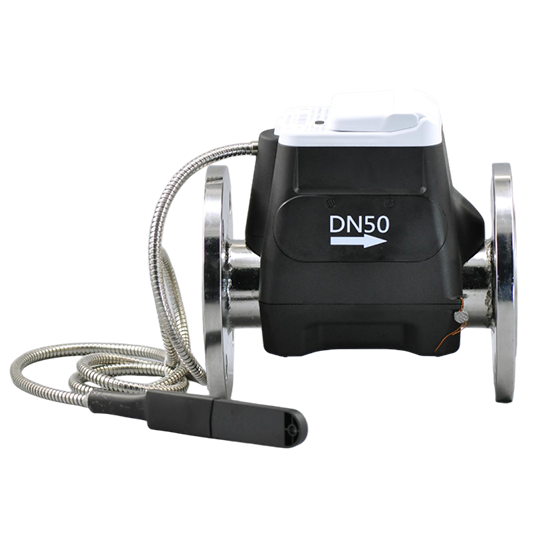
The main difference between ultrasonic smart water meters and mechanical water meters is the way they measure water flow.
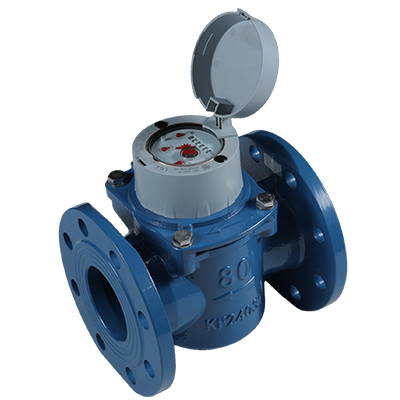
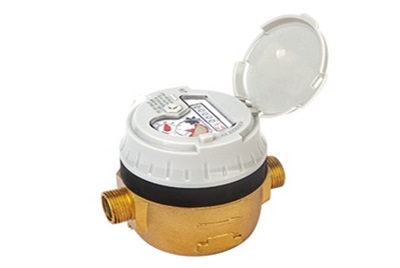
Mechanical water meters use physical components, such as internal moving parts, to measure water consumption. When water passes through the meter, mechanical movement is generated and converted into measurement data. This technology has been widely adopted because of its simple structure and relatively low initial cost.
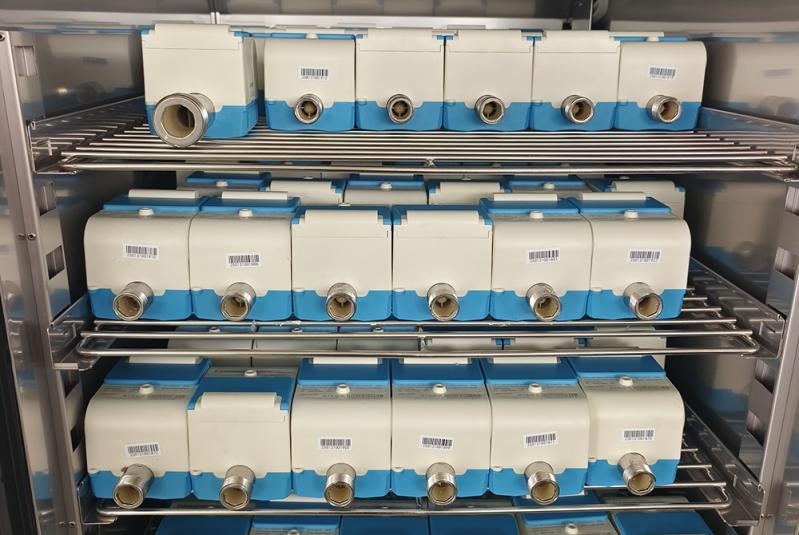
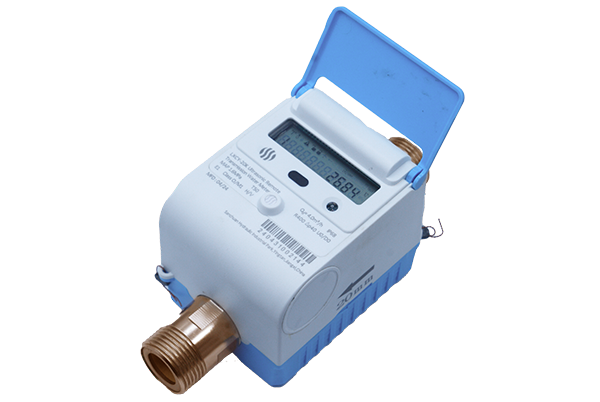
An ultrasonic smart water meter, on the other hand, uses ultrasonic sensors to measure the velocity of water flow without relying on mechanical movement. The meter analyzes ultrasonic signals passing through the water and calculates flow information through advanced electronic processing systems.
Beyond measurement, ultrasonic smart water meters are designed for digital water management. They can integrate communication technologies and support remote data collection, making them suitable for modern smart water networks.
| Feature | Ultrasonic Smart Water Meter | Mechanical Water Meter |
|---|---|---|
| Measurement method | Ultrasonic sensing technology | Mechanical movement-based measurement |
| Moving components | No mechanical moving parts | Contains moving components |
| Data management | Supports digital communication and remote monitoring | Usually requires manual reading or additional systems |
| Maintenance demand | Lower mechanical wear risk | Components may experience wear over time |
| Main applications | Smart cities, utilities, modern water networks | Traditional water measurement applications |
Accuracy is one of the most important factors when selecting a water meter, especially for municipal projects and large-scale water management systems.
Mechanical water meters can provide reliable measurement for many applications. However, because they depend on physical moving components, long-term performance may be affected by factors such as mechanical wear, water quality, and operating conditions.
The ultrasonic smart water meter offers advantages in applications where long-term measurement stability is important. Since it does not rely on traditional mechanical structures, it can maintain consistent performance with reduced risk of component wear.
Another important advantage is low-flow measurement capability. In modern water management, detecting small changes in water consumption can help utilities identify abnormal usage patterns and potential leakage issues.
For projects requiring continuous monitoring and higher data accuracy, ultrasonic technology provides a more advanced approach to water measurement.
Traditional water meters mainly focus on measuring consumption, while modern water networks require much more detailed information. Utilities increasingly need real-time data to improve operational decisions, reduce water loss, and optimize resource management.
This is where ultrasonic smart water meters provide additional value. By combining measurement technology with digital communication capabilities, they can support:
Remote meter reading
Real-time consumption monitoring
Leakage detection support
Data-based water management
For smart city projects, the ability to collect and analyze water usage data is becoming increasingly important. Instead of relying only on periodic manual readings, water operators can gain better visibility into network performance.
Smart water solutions also help reduce operational costs by improving efficiency and allowing faster responses to unusual consumption patterns.
As an experienced smart water technology provider, Sanchuan develops ultrasonic smart water meter solutions designed for modern water management applications. You can explore Sanchuan’s complete range of water measurement products on the Sanchuan products page.
The best choice depends on where and how the water meter will be used. Different applications have different requirements for accuracy, data access, and management efficiency.
| Application Scenario | Recommended Solution | Reason |
|---|---|---|
| Traditional residential water measurement | Mechanical water meter | Suitable for basic measurement needs with limited data requirements |
| Smart residential communities | Ultrasonic smart water meter | Supports remote monitoring and digital management |
| Municipal water networks | Ultrasonic smart water meter | Provides accurate measurement and operational data |
| Industrial water management | Ultrasonic smart water meter | Helps monitor consumption and improve efficiency |
For small projects where only basic measurement is required, mechanical water meters may still be a practical choice. However, for future-oriented water networks that require data management and system integration, ultrasonic smart water meters offer greater flexibility.
When selecting a water meter solution, buyers should consider more than the initial purchase cost. The right choice should match the project’s long-term goals.
A mechanical water meter may be suitable when:
The project only requires basic water consumption measurement
Remote monitoring is not necessary
The priority is minimizing initial investment
An ultrasonic smart water meter is usually a better choice when:
High measurement reliability is required
The project involves smart water management
Remote data collection is needed
Long-term operational efficiency is a priority
For utilities and engineering companies planning future-ready water infrastructure, selecting a manufacturer with strong technical expertise is equally important. Sanchuan combines smart water technology and manufacturing experience to provide reliable solutions for different water management projects.
If you are looking for customized ultrasonic smart water meter solutions or want to discuss your project requirements, you can contact the Sanchuan professional team through the Sanchuan contact page.
Both ultrasonic smart water meters and mechanical water meters have their own applications. Mechanical meters remain a practical option for traditional measurement needs, while ultrasonic smart water meters provide stronger advantages for modern water networks that require accuracy, digital connectivity, and efficient management.
As water systems continue moving toward smart management, ultrasonic technology is becoming an important solution for utilities, cities, and industrial users. Choosing the right meter depends on project requirements, but for future-oriented water management, smart ultrasonic solutions provide greater possibilities.
An ultrasonic smart water meter uses ultrasonic sensors and digital technology, while a mechanical water meter measures flow through physical moving components.
Ultrasonic smart water meters are designed to provide stable measurement performance and are suitable for applications requiring higher accuracy and long-term reliability.
Yes. Many ultrasonic smart water meters support communication technologies for remote data collection and smart water management systems.
Ultrasonic smart water meters are generally more suitable because they support digital management, data analysis, and modern network integration.